
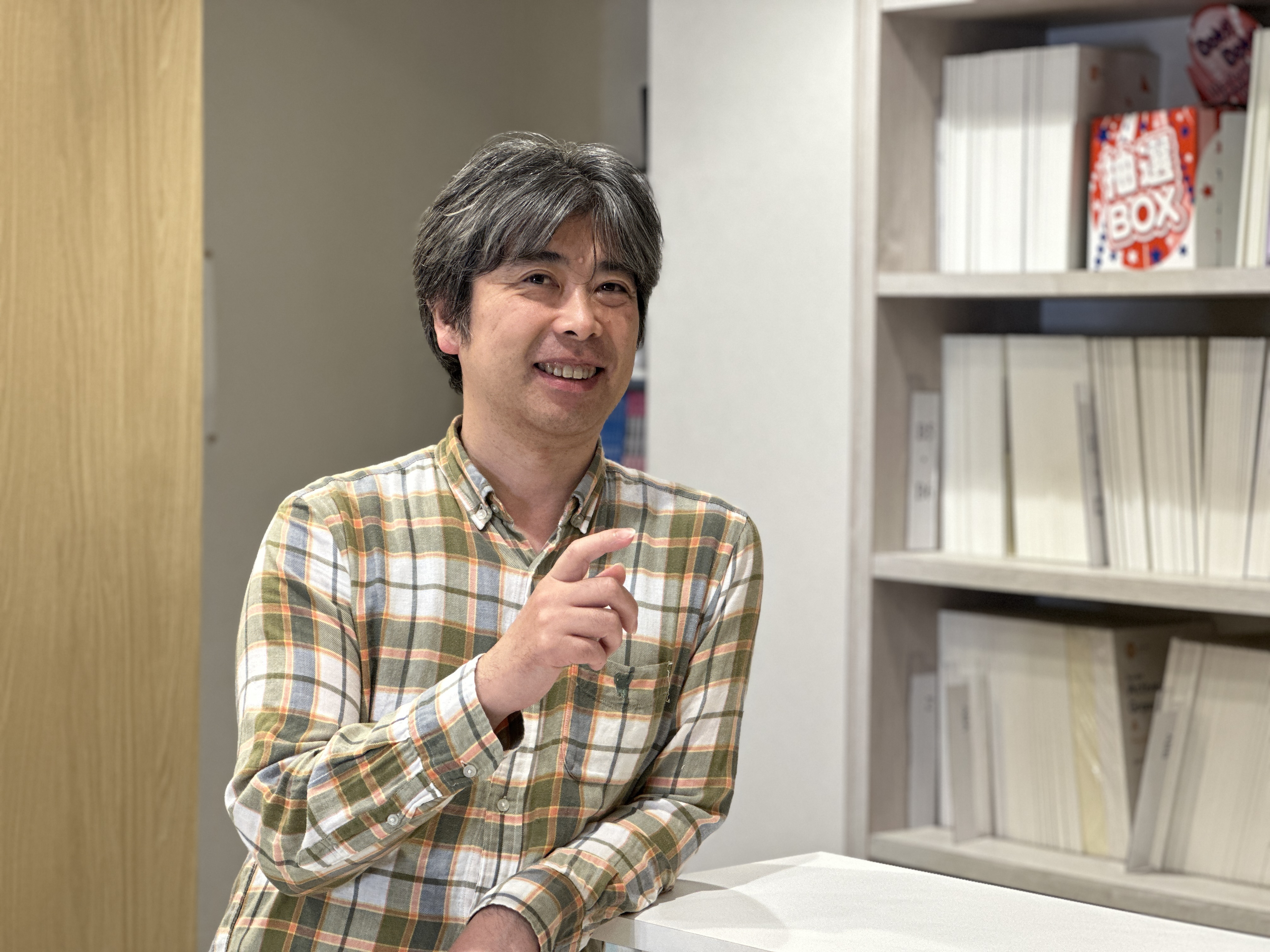
Ryo Iwatsuki is one of Coto Academy’s most senior members of the teaching faculty. Joining in 2016 as a teacher, he now holds a dual role: still a Japanese language teacher, while also building the academic framework within the Quality Assurance Division.
His latest challenge? Shaping Coto Japanese Institute, the company’s newest accredited long-term school, across materials development, instructor training, and quality assurance. His approach to Japanese education was shaped by his own experience as a language learner abroad, giving him a lasting instinct for what actually works in the classroom versus what merely looks good on paper.
Read on to hear how he builds programs that go beyond knowledge-based learning, and why he believes the best way to teach Japanese nuance is to make students feel it, not just understand it.
Welcome, Iwatsuki-san! Can you briefly introduce yourself and what you do at Coto World?
Hello, I’m Iwatsuki. I joined Coto in 2016. I started out as a teacher handling lessons, then moved into the academic team working on materials development and instructor training, then the QA team handling materials quality control and building instructor dashboards.
I also contributed to the Assessment of Japanese Communication Skills (AJCS), an external spoken proficiency test, and developed coursework for J-Standard, Coto’s new e-learning platform. I am now part of the academic team for the newly established Coto Japanese Institute, where I am responsible for course and materials development.
How did you grow your career as a Japanese language teacher in the first place?
In 2001, I went to Canada on a working holiday visa. Interacting with students from many different countries at a language school there and experiencing language learning firsthand inspired me to become a teacher. After returning to Japan, I studied for my teaching qualification while working, obtained my certification, and made my debut as a Japanese language teacher in 2008. I have been teaching at Coto since 2016.
What’s your approach when it comes to building a curriculum?
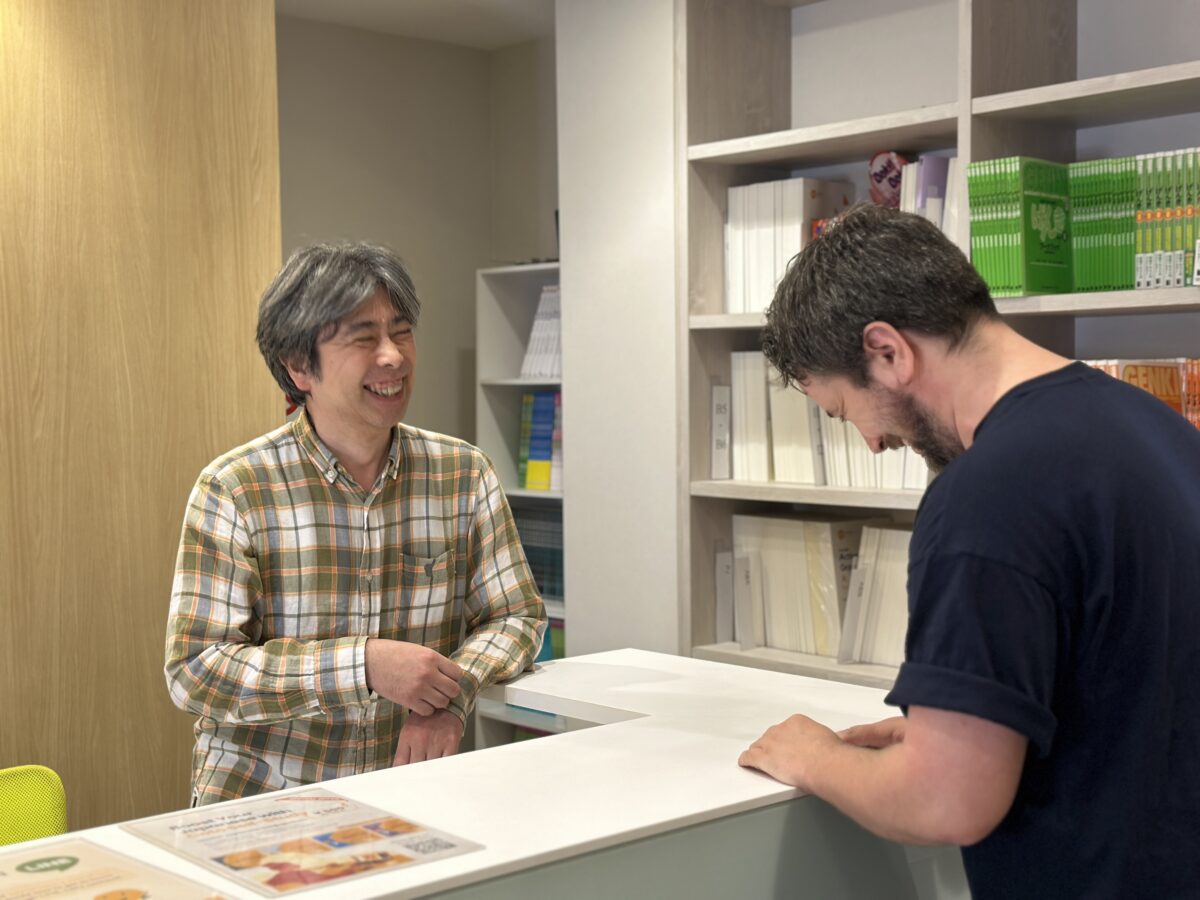
Rather than explaining things through words alone, I try to help students understand through their own felt experience.
For example, similar emotional expressions in Japanese often translate into English as exactly the same word. Instead of explaining the difference, I ask students to recall a situation they have personally experienced and bring back how they felt in that moment.
When I tell them that feeling is the meaning of the word, the subtle differences between similar expressions — in emotional intensity, appropriate context, and who you can say it to — come through far more clearly than any lengthy verbal explanation could achieve.
Why did you choose to bring your teaching and development expertise to Coto Academy?
Compared to other Japanese language schools, Coto attracts students with a high level of motivation to learn, and I joined because I wanted to teach students like that. I was also drawn to the fact that Coto focuses not on knowledge-based Japanese education aimed purely at exams or academic advancement, but on practical, life-integrated Japanese that students can actually use.
What do you find most rewarding about teaching, where the linguistic challenges are often more complex?
I think the relationship between teachers and students at Coto is flat rather than hierarchical. In class, lessons aren’t one-sided. They progress through dialogue between the teacher and the student.
Seeing students who could barely speak at the beginning gradually chatting away happily in Japanese is what makes this work rewarding.
How does the environment at Coto encourage you to be creative and innovative when designing new curricula?
We are able to incorporate new technologies and tools to create a learning environment that keeps pace with the times. Seeing things that weren’t possible before — or that used to be inconvenient — become achievable gives me a real sense of accomplishment.
How does Coto Academy’s program meet the needs of Japanese learners?
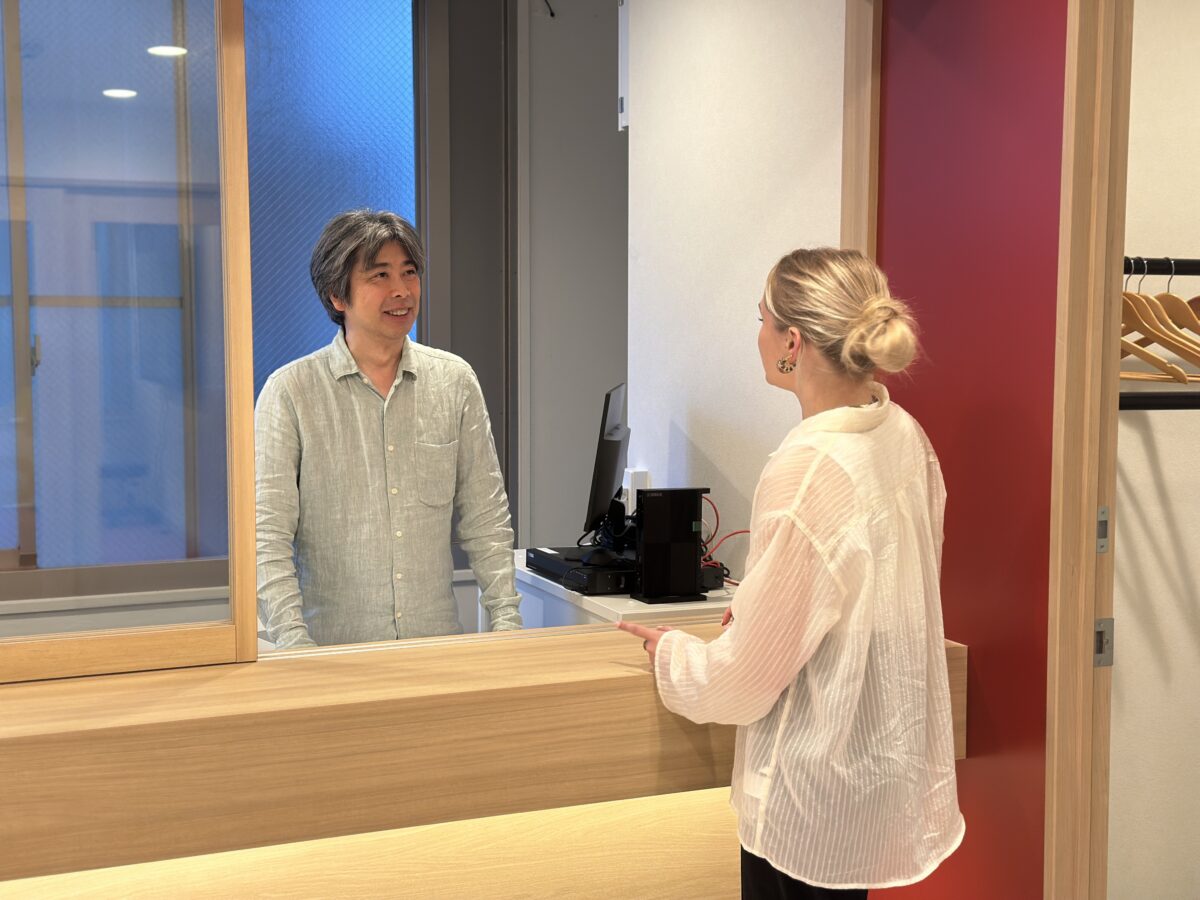
Japanese language learning has traditionally been heavily knowledge-based. At Coto, however, we emphasize the “Can Do” approach — building on what students can do in Japanese. We develop programs where students can apply what they have learned in their daily lives and experience that genuine sense of “I did it!”
What are your primary interests or hobbies when you aren’t focused on language and education?
On weekends, I enjoy going for drives and short trips. I also like visiting prefectures I haven’t been to before, and my goal is to eventually visit all 47 prefectures in Japan.
What message would you give those interested in joining Coto World as a teacher?
There are many highly motivated students here — some learning Japanese because they need it for daily life or work, others because they love Japan and Japanese culture. Learning Japanese alongside students like that is genuinely enjoyable. The working environment for staff and teachers has also been steadily improving, which means you can focus more fully on your work and projects.